

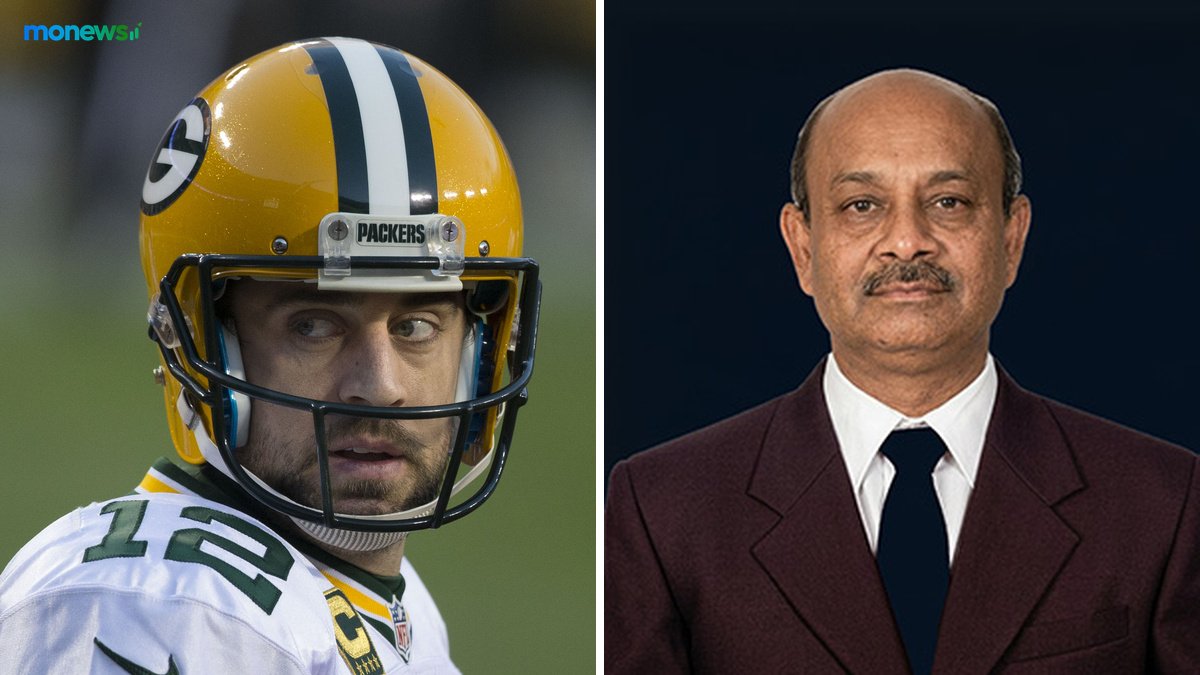
Aaron Rodgers is an American football quarterback, while Radhakishan Damani is the investor and entrepreneur behind India’s DMart retail business. A direct personal relationship or business partnership between them is not established by the official team, company and other public material examined for this article.
There is still a useful comparison to make. Their careers show the difference between an athlete’s playing record and an entrepreneur’s business record. Keeping those measures separate also helps explain why NFL earnings, supermarket revenue and personal wealth cannot be treated as interchangeable numbers.
Rodgers’ current chapter is in Pittsburgh
The Steelers announced on May 18, 2026 that Rodgers had signed a one-year contract. It was his second season with Pittsburgh, following his arrival in 2025. He was also included among the quarterbacks on the club’s initial 2026 53-man roster published on August 30.
His best-known achievements came earlier. Rodgers won four Associated Press NFL Most Valuable Player awards and was the MVP of Super Bowl XLV. His career also includes 18 seasons with Green Bay and two with the New York Jets before Pittsburgh.
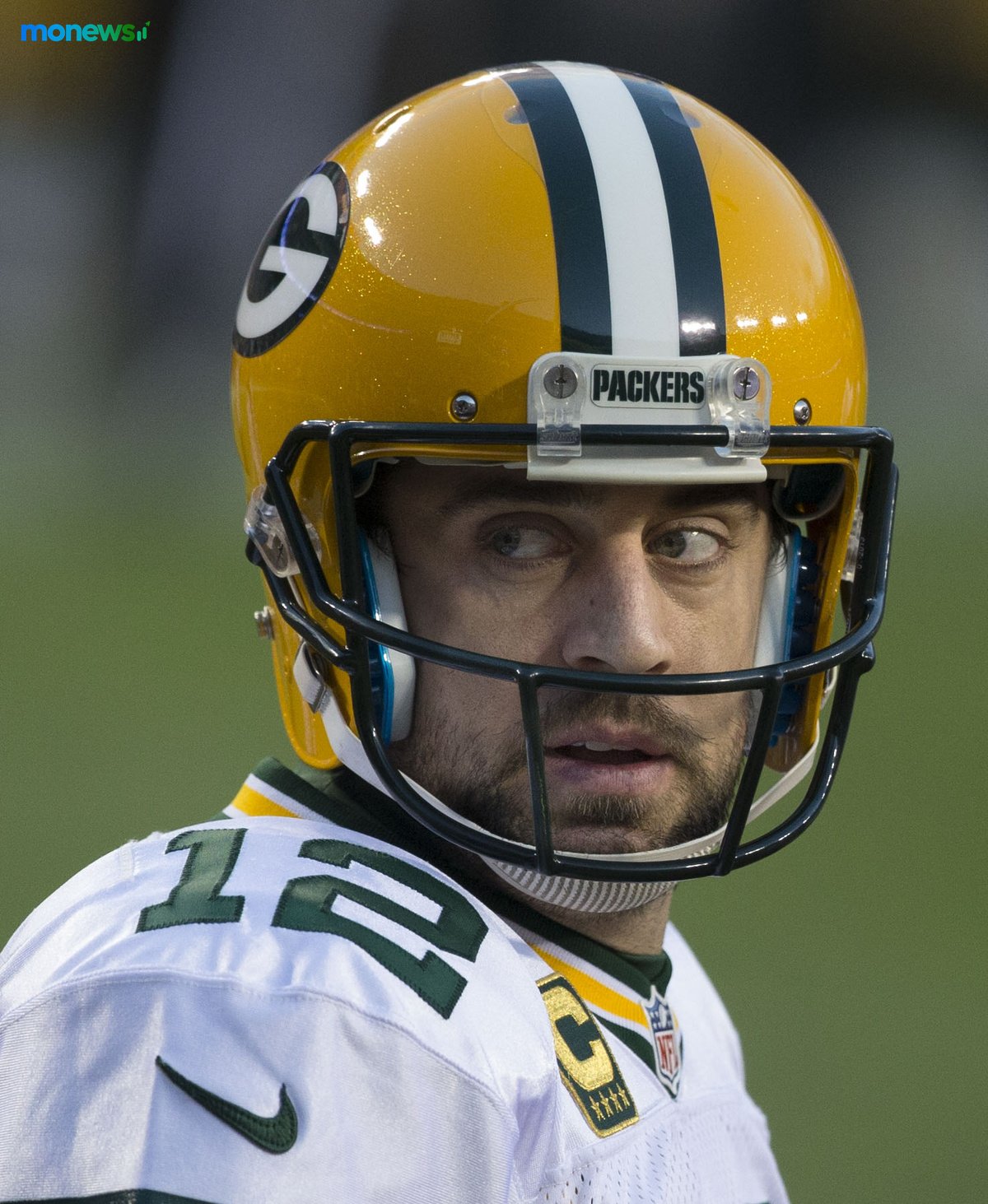
That chronology matters when reading a short biography. A page that identifies him only with Green Bay captures the club most closely associated with his long career, but misses his later teams. A page describing a current season must be checked against a dated team announcement or roster.
Damani’s story runs through investing and retail
DMart’s own account connects the retailer’s origins with Damani’s experience in Indian equity markets. In its 2019–20 annual report, Avenue Supermarts describes him as an established value investor by the late 1990s and says he conceived the retail business in 2000.
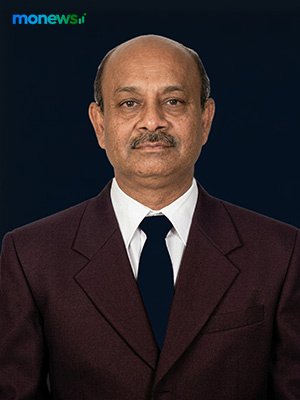
The report explains that the concept focused on grocery retail for value-conscious customers. It also describes a deliberate early pace: the business took eight years to open its first ten stores, testing whether the model could be both profitable and scalable.
The first DMart store opened in Powai, Mumbai, in 2002, according to contemporary Indian Express reporting on DMart expansion. The difference between 2000 and 2002 is therefore meaningful: one refers to the conception of the business, the other to the first store.
Calling Damani DMart’s founder is more precise than assuming he holds every senior management role. Avenue Supermarts’ March 2026 stock-exchange filing appointed independent director Kalpana Unadkat as chairperson with effect from April 1, replacing Chandrashekhar Bhave in that position. Founder, chairperson and chief executive are distinct descriptions.
What can reasonably be compared?
For Rodgers, the clearest evidence is sporting: the teams he played for, awards he won and games recorded by the league and its clubs. For Damani, the evidence concerns business formation and the operation of a retail company. These records answer different questions.
An MVP award recognises performance within a sport. A store-opening milestone describes the development of a business. Neither becomes more meaningful by forcing it into a single ranking of who is more successful. Readers get a better comparison by looking at each person’s work in its own setting.
There is also a difference in what the public documents reveal. A team roster confirms a player’s listed position and affiliation. An annual report explains a company’s activities and finances. Neither is, by itself, evidence that the player and the company’s founder know each other.
Why wealth comparisons can mislead
A football contract concerns compensation under its terms. Career earnings concern money earned over time, rather than the total value of someone’s present assets after liabilities. Company revenue records sales by the business, and a company’s market value reflects the value assigned to its shares.
Those distinctions make a quick wealth table less informative than it may appear. A defensible personal-wealth comparison would need dated estimates using compatible definitions. It would also need to separate individual wealth from family holdings. This article does not assign either man an unsupported net-worth figure.
Frequently Asked Questions
Are Aaron Rodgers and Radhakishan Damani business partners?
A partnership is not established in the public material examined for this article. Their names appearing together in a headline does not supply evidence of a business deal.
Which team is Aaron Rodgers with in 2026?
Pittsburgh signed him to a one-year contract in May 2026 and included him on its initial 2026 roster in August.
What is Radhakishan Damani known for?
He is known as an investor and the founder behind DMart. Avenue Supermarts’ own history describes how his investing background informed the retail business.
When did DMart begin?
The business was conceived in 2000, according to its annual report. Its first store opened in Powai in 2002. Those dates describe different stages of its beginnings.
Final Thoughts
Rodgers and Damani can be compared without inventing a shared story. One account is rooted in professional football and the other in investing and retail. Accurate dates, clearly labelled roles and sensible financial definitions make that comparison useful while preserving the limits of what is known.
Related reading: Wayne Gretzky and Larry Culp.
Image credits
Keith Allison / KeithAllisonPhoto.com, “Packers at Redskins Wildcard Game 01/10/16” (Aaron Rodgers), via Wikimedia Commons, CC BY-SA 2.0. Original Flickr photograph. Rodgers inline resized proportionally; MoNews logo added. Featured left panel cropped and resized. Photograph derivative licensed CC BY-SA 2.0; MoNews wordmark remains its separate trademark. Featured image combines separate photographs; MoNews logo added.

Radhakishan Damani: Indian Institute for Human Settlements, used with permission. Featured right panel cropped and resized; native-size inline retains the full portrait. MoNews logo added. The Damani photograph retains its separate rights.